Why Was Wool Buried Beneath This Boulder? (Season 13) | The Curse of Oak Island
Why Was Wool Buried Beneath This Boulder? (Season 13) | The Curse of Oak Island
-We know this had to be in place before then. -Earlier.
-And that could help date it. -Yep.
-It could be exciting. All right. -Can I bag ‘er?
Yep.
[Craig] Okay. Well, we’ll get ‘er tested. [Laird] All right. As a new morning shines bright on Oak Island What can you tell us about it?
[Emma] Yeah. So, I did do a CT scan on it, XRF, um, the whole shebang.
But the CT scan actually…
gave great imaging.
And you can kind of see the design of the knitting or the loops that go inward and then outward.
So, we’re seeing a style of weft knitting.
Mm-hmm.
[Emma] So, weft knitting is knitting by interlocking strands of loops, or rows of loops.
-Okay. -Yeah.
And whether or not it’s handmade or early machine-made, first glance from the visuals, I’m not 100% sure.
It’s kind of hard to narrow down.
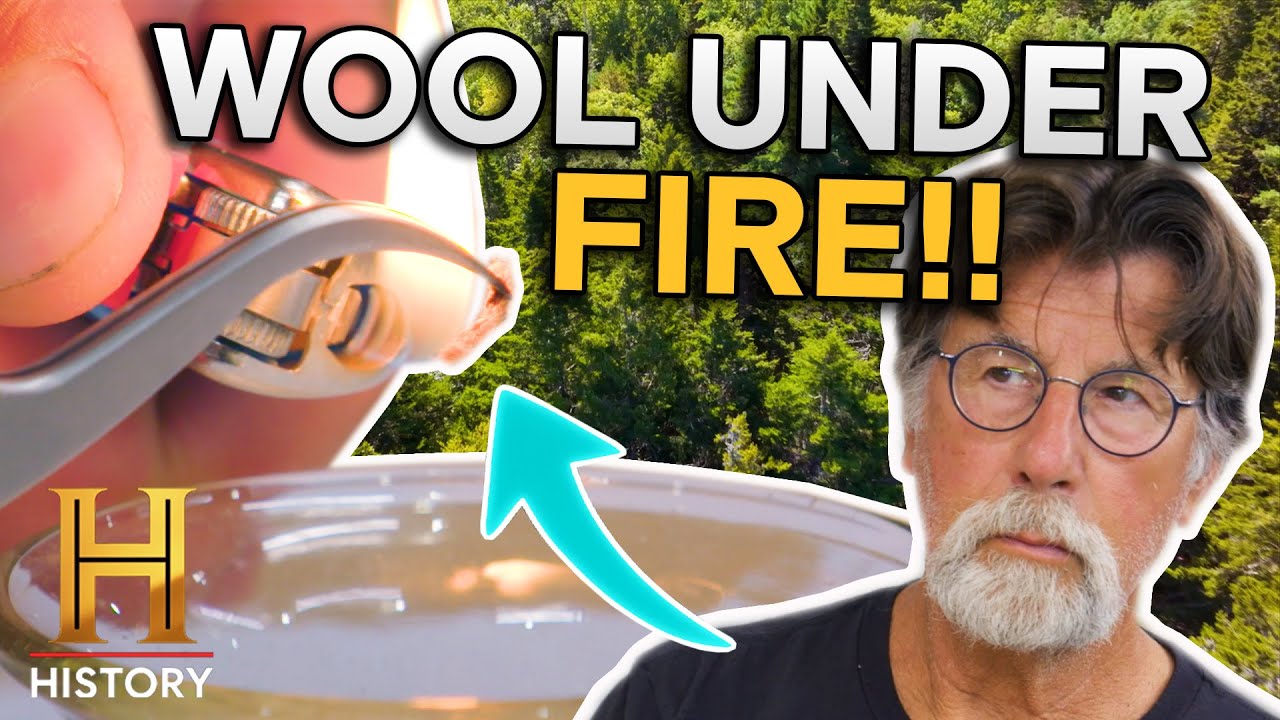
-Yeah. -Yeah. As for the material used, I would like to do a simple burn test.
-Really? -Yeah. To determine what kind of material was made, because depending on how it was burnt, how it melts or kind of turns into ash, we can discern quickly what kind of material it is.
[Marty] Like, what are we looking for?
-If it’s what, it’s what? -If it’s polyester, it will– it burns really quickly, and then it kind of turns into a liquid form.
If it’s more cotton or linen, it’s more ashy of-of a burn.
Um, if it’s silk, as soon as you move it away from the fire, it snuffs the fire out.
So, it doesn’t burn, it just kind of disintegrates.
Wool should kind of clump up into like an ashy or kind of burnt texture and then you can crush it.
Okay.
So, who would like to be my assistant?
-Peter. -I will.
Okay. You are just going to light it on fire.
-Okay. -[laughs softly] -[Marty] Wow. -[Alex] That was it?
[Emma] Yeah. And then we’ll let it cool.
And then we can crush it.
And that is wool.
-Really? -Wool? -Yeah.
-[Marty] Amazing. -[Laird] That’s interesting, because not far away from where that wool was found, Katya found the bag seal…
-Wow. -Okay.
…which has a very distinctive sheepskin symbol on it, and that is associated with the city of Leeds in England, which is a major manufacturer of wool products dating back to the 1300s.
Oh.
And this makes it all the more interesting.
Yeah.
-What are the next steps? -[Emma] I think getting an expert into knitting patterns and then with dye mechanics and recipes will point towards something more accurate.
-Yeah. Well, it makes sense. Yeah. -Yeah. Yeah.
[Marty] Okay. Extremely interesting.
Maybe it’s the tip of the iceberg in terms of what we might find -under that boulder, right? -[chuckles] And actually, what we might find under the boulder itself -might shed a little light on that. -[Emma] Yeah.
[Rick] We’ve got to dig deeper under it, as carefully as possible, under your guidance.
Yeah. Absolutely.
[Marty] Good job as always.
Uh, enigmatic as always.
More things to do, as always.
-Let’s do them. -Mm-hmm.
-[Craig] Sounds good. Thank you. -[Peter] Thank you. [narrator] As the meeting concludes in the lab…
-We know this had to be in place before then. -Earlier.
-And that could help date it. -Yep.
-It could be exciting. All right. -Can I bag ‘er?
Yep.
[Craig] Okay. Well, we’ll get ‘er tested. [Laird] All right. As a new morning shines bright on Oak Island What can you tell us about it?
[Emma] Yeah. So, I did do a CT scan on it, XRF, um, the whole shebang.
But the CT scan actually…
gave great imaging.
And you can kind of see the design of the knitting or the loops that go inward and then outward.
So, we’re seeing a style of weft knitting.
Mm-hmm.
[Emma] So, weft knitting is knitting by interlocking strands of loops, or rows of loops.
-Okay. -Yeah.
And whether or not it’s handmade or early machine-made, first glance from the visuals, I’m not 100% sure.
It’s kind of hard to narrow down.
-Yeah. -Yeah. As for the material used, I would like to do a simple burn test.
-Really? -Yeah. To determine what kind of material was made, because depending on how it was burnt, how it melts or kind of turns into ash, we can discern quickly what kind of material it is.
[Marty] Like, what are we looking for?
-If it’s what, it’s what? -If it’s polyester, it will– it burns really quickly, and then it kind of turns into a liquid form.
If it’s more cotton or linen, it’s more ashy of-of a burn.
Um, if it’s silk, as soon as you move it away from the fire, it snuffs the fire out.
So, it doesn’t burn, it just kind of disintegrates.
Wool should kind of clump up into like an ashy or kind of burnt texture and then you can crush it.
Okay.
So, who would like to be my assistant?
-Peter. -I will.
Okay. You are just going to light it on fire.
-Okay. -[laughs softly] -[Marty] Wow. -[Alex] That was it?
[Emma] Yeah. And then we’ll let it cool.
And then we can crush it.
And that is wool.
-Really? -Wool? -Yeah.
-[Marty] Amazing. -[Laird] That’s interesting, because not far away from where that wool was found, Katya found the bag seal…
-Wow. -Okay.
…which has a very distinctive sheepskin symbol on it, and that is associated with the city of Leeds in England, which is a major manufacturer of wool products dating back to the 1300s.
Oh.
And this makes it all the more interesting.
Yeah.
-What are the next steps? -[Emma] I think getting an expert into knitting patterns and then with dye mechanics and recipes will point towards something more accurate.
-Yeah. Well, it makes sense. Yeah. -Yeah. Yeah.
[Marty] Okay. Extremely interesting.
Maybe it’s the tip of the iceberg in terms of what we might find -under that boulder, right? -[chuckles] And actually, what we might find under the boulder itself -might shed a little light on that. -[Emma] Yeah.
[Rick] We’ve got to dig deeper under it, as carefully as possible, under your guidance.
Yeah. Absolutely.
[Marty] Good job as always.
Uh, enigmatic as always.
More things to do, as always.
-Let’s do them. -Mm-hmm.
-[Craig] Sounds good. Thank you. -[Peter] Thank you. [narrator] As the meeting concludes in the lab…
-We know this had to be in place before then. -Earlier.
-And that could help date it. -Yep.
-It could be exciting. All right. -Can I bag ‘er?
Yep.
[Craig] Okay. Well, we’ll get ‘er tested. [Laird] All right. As a new morning shines bright on Oak Island What can you tell us about it?
[Emma] Yeah. So, I did do a CT scan on it, XRF, um, the whole shebang.
But the CT scan actually…
gave great imaging.
And you can kind of see the design of the knitting or the loops that go inward and then outward.
So, we’re seeing a style of weft knitting.
Mm-hmm.
[Emma] So, weft knitting is knitting by interlocking strands of loops, or rows of loops.
-Okay. -Yeah.
And whether or not it’s handmade or early machine-made, first glance from the visuals, I’m not 100% sure.
It’s kind of hard to narrow down.
-Yeah. -Yeah. As for the material used, I would like to do a simple burn test.
-Really? -Yeah. To determine what kind of material was made, because depending on how it was burnt, how it melts or kind of turns into ash, we can discern quickly what kind of material it is.
[Marty] Like, what are we looking for?
-If it’s what, it’s what? -If it’s polyester, it will– it burns really quickly, and then it kind of turns into a liquid form.
If it’s more cotton or linen, it’s more ashy of-of a burn.
Um, if it’s silk, as soon as you move it away from the fire, it snuffs the fire out.
So, it doesn’t burn, it just kind of disintegrates.
Wool should kind of clump up into like an ashy or kind of burnt texture and then you can crush it.
Okay.
So, who would like to be my assistant?
-Peter. -I will.
Okay. You are just going to light it on fire.
-Okay. -[laughs softly] -[Marty] Wow. -[Alex] That was it?
[Emma] Yeah. And then we’ll let it cool.
And then we can crush it.
And that is wool.
-Really? -Wool? -Yeah.
-[Marty] Amazing. -[Laird] That’s interesting, because not far away from where that wool was found, Katya found the bag seal…
-Wow. -Okay.
…which has a very distinctive sheepskin symbol on it, and that is associated with the city of Leeds in England, which is a major manufacturer of wool products dating back to the 1300s.
Oh.
And this makes it all the more interesting.
Yeah.
-What are the next steps? -[Emma] I think getting an expert into knitting patterns and then with dye mechanics and recipes will point towards something more accurate.
-Yeah. Well, it makes sense. Yeah. -Yeah. Yeah.
[Marty] Okay. Extremely interesting.
Maybe it’s the tip of the iceberg in terms of what we might find -under that boulder, right? -[chuckles] And actually, what we might find under the boulder itself -might shed a little light on that. -[Emma] Yeah.
[Rick] We’ve got to dig deeper under it, as carefully as possible, under your guidance.
Yeah. Absolutely.
[Marty] Good job as always.
Uh, enigmatic as always.
More things to do, as always.
-Let’s do them. -Mm-hmm.
-[Craig] Sounds good. Thank you. -[Peter] Thank you. [narrator] As the meeting concludes in the lab…
-We know this had to be in place before then. -Earlier.
-And that could help date it. -Yep.
-It could be exciting. All right. -Can I bag ‘er?
Yep.
[Craig] Okay. Well, we’ll get ‘er tested. [Laird] All right. As a new morning shines bright on Oak Island What can you tell us about it?
[Emma] Yeah. So, I did do a CT scan on it, XRF, um, the whole shebang.
But the CT scan actually…
gave great imaging.
And you can kind of see the design of the knitting or the loops that go inward and then outward.
So, we’re seeing a style of weft knitting.
Mm-hmm.
[Emma] So, weft knitting is knitting by interlocking strands of loops, or rows of loops.
-Okay. -Yeah.
And whether or not it’s handmade or early machine-made, first glance from the visuals, I’m not 100% sure.
It’s kind of hard to narrow down.
-Yeah. -Yeah. As for the material used, I would like to do a simple burn test.
-Really? -Yeah. To determine what kind of material was made, because depending on how it was burnt, how it melts or kind of turns into ash, we can discern quickly what kind of material it is.
[Marty] Like, what are we looking for?
-If it’s what, it’s what? -If it’s polyester, it will– it burns really quickly, and then it kind of turns into a liquid form.
If it’s more cotton or linen, it’s more ashy of-of a burn.
Um, if it’s silk, as soon as you move it away from the fire, it snuffs the fire out.
So, it doesn’t burn, it just kind of disintegrates.
Wool should kind of clump up into like an ashy or kind of burnt texture and then you can crush it.
Okay.
So, who would like to be my assistant?
-Peter. -I will.
Okay. You are just going to light it on fire.
-Okay. -[laughs softly] -[Marty] Wow. -[Alex] That was it?
[Emma] Yeah. And then we’ll let it cool.
And then we can crush it.
And that is wool.
-Really? -Wool? -Yeah.
-[Marty] Amazing. -[Laird] That’s interesting, because not far away from where that wool was found, Katya found the bag seal…
-Wow. -Okay.
…which has a very distinctive sheepskin symbol on it, and that is associated with the city of Leeds in England, which is a major manufacturer of wool products dating back to the 1300s.
Oh.
And this makes it all the more interesting.
Yeah.
-What are the next steps? -[Emma] I think getting an expert into knitting patterns and then with dye mechanics and recipes will point towards something more accurate.
-Yeah. Well, it makes sense. Yeah. -Yeah. Yeah.
[Marty] Okay. Extremely interesting.
Maybe it’s the tip of the iceberg in terms of what we might find -under that boulder, right? -[chuckles] And actually, what we might find under the boulder itself -might shed a little light on that. -[Emma] Yeah.
[Rick] We’ve got to dig deeper under it, as carefully as possible, under your guidance.
Yeah. Absolutely.
[Marty] Good job as always.
Uh, enigmatic as always.
More things to do, as always.
-Let’s do them. -Mm-hmm.
-[Craig] Sounds good. Thank you. -[Peter] Thank you. [narrator] As the meeting concludes in the lab…
-We know this had to be in place before then. -Earlier.
-And that could help date it. -Yep.
-It could be exciting. All right. -Can I bag ‘er?
Yep.
[Craig] Okay. Well, we’ll get ‘er tested. [Laird] All right. As a new morning shines bright on Oak Island What can you tell us about it?
[Emma] Yeah. So, I did do a CT scan on it, XRF, um, the whole shebang.
But the CT scan actually…
gave great imaging.
And you can kind of see the design of the knitting or the loops that go inward and then outward.
So, we’re seeing a style of weft knitting.
Mm-hmm.
[Emma] So, weft knitting is knitting by interlocking strands of loops, or rows of loops.
-Okay. -Yeah.
And whether or not it’s handmade or early machine-made, first glance from the visuals, I’m not 100% sure.
It’s kind of hard to narrow down.
-Yeah. -Yeah. As for the material used, I would like to do a simple burn test.
-Really? -Yeah. To determine what kind of material was made, because depending on how it was burnt, how it melts or kind of turns into ash, we can discern quickly what kind of material it is.
[Marty] Like, what are we looking for?
-If it’s what, it’s what? -If it’s polyester, it will– it burns really quickly, and then it kind of turns into a liquid form.
If it’s more cotton or linen, it’s more ashy of-of a burn.
Um, if it’s silk, as soon as you move it away from the fire, it snuffs the fire out.
So, it doesn’t burn, it just kind of disintegrates.
Wool should kind of clump up into like an ashy or kind of burnt texture and then you can crush it.
Okay.
So, who would like to be my assistant?
-Peter. -I will.
Okay. You are just going to light it on fire.
-Okay. -[laughs softly] -[Marty] Wow. -[Alex] That was it?
[Emma] Yeah. And then we’ll let it cool.
And then we can crush it.
And that is wool.
-Really? -Wool? -Yeah.
-[Marty] Amazing. -[Laird] That’s interesting, because not far away from where that wool was found, Katya found the bag seal…
-Wow. -Okay.
…which has a very distinctive sheepskin symbol on it, and that is associated with the city of Leeds in England, which is a major manufacturer of wool products dating back to the 1300s.
Oh.
And this makes it all the more interesting.
Yeah.
-What are the next steps? -[Emma] I think getting an expert into knitting patterns and then with dye mechanics and recipes will point towards something more accurate.
-Yeah. Well, it makes sense. Yeah. -Yeah. Yeah.
[Marty] Okay. Extremely interesting.
Maybe it’s the tip of the iceberg in terms of what we might find -under that boulder, right? -[chuckles] And actually, what we might find under the boulder itself -might shed a little light on that. -[Emma] Yeah.
[Rick] We’ve got to dig deeper under it, as carefully as possible, under your guidance.
Yeah. Absolutely.
[Marty] Good job as always.
Uh, enigmatic as always.
More things to do, as always.
-Let’s do them. -Mm-hmm.
-[Craig] Sounds good. Thank you. -[Peter] Thank you. [narrator] As the meeting concludes in the lab…
-We know this had to be in place before then. -Earlier.
-And that could help date it. -Yep.
-It could be exciting. All right. -Can I bag ‘er?
Yep.
[Craig] Okay. Well, we’ll get ‘er tested. [Laird] All right. As a new morning shines bright on Oak Island What can you tell us about it?
[Emma] Yeah. So, I did do a CT scan on it, XRF, um, the whole shebang.
But the CT scan actually…
gave great imaging.
And you can kind of see the design of the knitting or the loops that go inward and then outward.
So, we’re seeing a style of weft knitting.
Mm-hmm.
[Emma] So, weft knitting is knitting by interlocking strands of loops, or rows of loops.
-Okay. -Yeah.
And whether or not it’s handmade or early machine-made, first glance from the visuals, I’m not 100% sure.
It’s kind of hard to narrow down.
-Yeah. -Yeah. As for the material used, I would like to do a simple burn test.
-Really? -Yeah. To determine what kind of material was made, because depending on how it was burnt, how it melts or kind of turns into ash, we can discern quickly what kind of material it is.
[Marty] Like, what are we looking for?
-If it’s what, it’s what? -If it’s polyester, it will– it burns really quickly, and then it kind of turns into a liquid form.
If it’s more cotton or linen, it’s more ashy of-of a burn.
Um, if it’s silk, as soon as you move it away from the fire, it snuffs the fire out.
So, it doesn’t burn, it just kind of disintegrates.
Wool should kind of clump up into like an ashy or kind of burnt texture and then you can crush it.
Okay.
So, who would like to be my assistant?
-Peter. -I will.
Okay. You are just going to light it on fire.
-Okay. -[laughs softly] -[Marty] Wow. -[Alex] That was it?
[Emma] Yeah. And then we’ll let it cool.
And then we can crush it.
And that is wool.
-Really? -Wool? -Yeah.
-[Marty] Amazing. -[Laird] That’s interesting, because not far away from where that wool was found, Katya found the bag seal…
-Wow. -Okay.
…which has a very distinctive sheepskin symbol on it, and that is associated with the city of Leeds in England, which is a major manufacturer of wool products dating back to the 1300s.
Oh.
And this makes it all the more interesting.
Yeah.
-What are the next steps? -[Emma] I think getting an expert into knitting patterns and then with dye mechanics and recipes will point towards something more accurate.
-Yeah. Well, it makes sense. Yeah. -Yeah. Yeah.
[Marty] Okay. Extremely interesting.
Maybe it’s the tip of the iceberg in terms of what we might find -under that boulder, right? -[chuckles] And actually, what we might find under the boulder itself -might shed a little light on that. -[Emma] Yeah.
[Rick] We’ve got to dig deeper under it, as carefully as possible, under your guidance.
Yeah. Absolutely.
[Marty] Good job as always.
Uh, enigmatic as always.
More things to do, as always.
-Let’s do them. -Mm-hmm.
-[Craig] Sounds good. Thank you. -[Peter] Thank you. [narrator] As the meeting concludes in the lab…
-We know this had to be in place before then. -Earlier.
-And that could help date it. -Yep.
-It could be exciting. All right. -Can I bag ‘er?
Yep.
[Craig] Okay. Well, we’ll get ‘er tested. [Laird] All right. As a new morning shines bright on Oak Island What can you tell us about it?
[Emma] Yeah. So, I did do a CT scan on it, XRF, um, the whole shebang.
But the CT scan actually…
gave great imaging.
And you can kind of see the design of the knitting or the loops that go inward and then outward.
So, we’re seeing a style of weft knitting.
Mm-hmm.
[Emma] So, weft knitting is knitting by interlocking strands of loops, or rows of loops.
-Okay. -Yeah.
And whether or not it’s handmade or early machine-made, first glance from the visuals, I’m not 100% sure.
It’s kind of hard to narrow down.
-Yeah. -Yeah. As for the material used, I would like to do a simple burn test.
-Really? -Yeah. To determine what kind of material was made, because depending on how it was burnt, how it melts or kind of turns into ash, we can discern quickly what kind of material it is.
[Marty] Like, what are we looking for?
-If it’s what, it’s what? -If it’s polyester, it will– it burns really quickly, and then it kind of turns into a liquid form.
If it’s more cotton or linen, it’s more ashy of-of a burn.
Um, if it’s silk, as soon as you move it away from the fire, it snuffs the fire out.
So, it doesn’t burn, it just kind of disintegrates.
Wool should kind of clump up into like an ashy or kind of burnt texture and then you can crush it.
Okay.
So, who would like to be my assistant?
-Peter. -I will.
Okay. You are just going to light it on fire.
-Okay. -[laughs softly] -[Marty] Wow. -[Alex] That was it?
[Emma] Yeah. And then we’ll let it cool.
And then we can crush it.
And that is wool.
-Really? -Wool? -Yeah.
-[Marty] Amazing. -[Laird] That’s interesting, because not far away from where that wool was found, Katya found the bag seal…
-Wow. -Okay.
…which has a very distinctive sheepskin symbol on it, and that is associated with the city of Leeds in England, which is a major manufacturer of wool products dating back to the 1300s.
Oh.
And this makes it all the more interesting.
Yeah.
-What are the next steps? -[Emma] I think getting an expert into knitting patterns and then with dye mechanics and recipes will point towards something more accurate.
-Yeah. Well, it makes sense. Yeah. -Yeah. Yeah.
[Marty] Okay. Extremely interesting.
Maybe it’s the tip of the iceberg in terms of what we might find -under that boulder, right? -[chuckles] And actually, what we might find under the boulder itself -might shed a little light on that. -[Emma] Yeah.
[Rick] We’ve got to dig deeper under it, as carefully as possible, under your guidance.
Yeah. Absolutely.
[Marty] Good job as always.
Uh, enigmatic as always.
More things to do, as always.
-Let’s do them. -Mm-hmm.
-[Craig] Sounds good. Thank you. -[Peter] Thank you. [narrator] As the meeting concludes in the lab…
-We know this had to be in place before then. -Earlier.
-And that could help date it. -Yep.
-It could be exciting. All right. -Can I bag ‘er?
Yep.
[Craig] Okay. Well, we’ll get ‘er tested. [Laird] All right. As a new morning shines bright on Oak Island What can you tell us about it?
[Emma] Yeah. So, I did do a CT scan on it, XRF, um, the whole shebang.
But the CT scan actually…
gave great imaging.
And you can kind of see the design of the knitting or the loops that go inward and then outward.
So, we’re seeing a style of weft knitting.
Mm-hmm.
[Emma] So, weft knitting is knitting by interlocking strands of loops, or rows of loops.
-Okay. -Yeah.
And whether or not it’s handmade or early machine-made, first glance from the visuals, I’m not 100% sure.
It’s kind of hard to narrow down.
-Yeah. -Yeah. As for the material used, I would like to do a simple burn test.
-Really? -Yeah. To determine what kind of material was made, because depending on how it was burnt, how it melts or kind of turns into ash, we can discern quickly what kind of material it is.
[Marty] Like, what are we looking for?
-If it’s what, it’s what? -If it’s polyester, it will– it burns really quickly, and then it kind of turns into a liquid form.
If it’s more cotton or linen, it’s more ashy of-of a burn.
Um, if it’s silk, as soon as you move it away from the fire, it snuffs the fire out.
So, it doesn’t burn, it just kind of disintegrates.
Wool should kind of clump up into like an ashy or kind of burnt texture and then you can crush it.
Okay.
So, who would like to be my assistant?
-Peter. -I will.
Okay. You are just going to light it on fire.
-Okay. -[laughs softly] -[Marty] Wow. -[Alex] That was it?
[Emma] Yeah. And then we’ll let it cool.
And then we can crush it.
And that is wool.
-Really? -Wool? -Yeah.
-[Marty] Amazing. -[Laird] That’s interesting, because not far away from where that wool was found, Katya found the bag seal…
-Wow. -Okay.
…which has a very distinctive sheepskin symbol on it, and that is associated with the city of Leeds in England, which is a major manufacturer of wool products dating back to the 1300s.
Oh.
And this makes it all the more interesting.
Yeah.
-What are the next steps? -[Emma] I think getting an expert into knitting patterns and then with dye mechanics and recipes will point towards something more accurate.
-Yeah. Well, it makes sense. Yeah. -Yeah. Yeah.
[Marty] Okay. Extremely interesting.
Maybe it’s the tip of the iceberg in terms of what we might find -under that boulder, right? -[chuckles] And actually, what we might find under the boulder itself -might shed a little light on that. -[Emma] Yeah.
[Rick] We’ve got to dig deeper under it, as carefully as possible, under your guidance.
Yeah. Absolutely.
[Marty] Good job as always.
Uh, enigmatic as always.
More things to do, as always.
-Let’s do them. -Mm-hmm.
-[Craig] Sounds good. Thank you. -[Peter] Thank you. [narrator] As the meeting concludes in the lab…