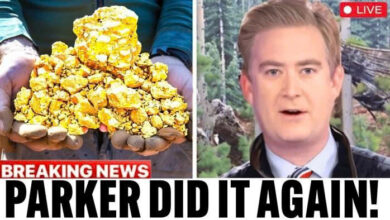
What Happens To The Gold After “Gold Rush”? | GOLD RUSH
What Happens To The Gold After "Gold Rush"? | GOLD RUSH

The Discovery Channel’s Gold Rush captures the intense and often dramatic quest for gold, following miners as they battle harsh conditions, equipment breakdowns, and financial risks in pursuit of fortune.
But what happens after the gold is mined? While the show primarily focuses on the extraction process, the fate of the gold beyond the final cleanup remains a point of curiosity for many viewers.
From pay dirt to profit: Once gold is successfully extracted from the ground, it goes through several stages before it turns into spendable cash. The miners typically clean, weigh, and store the gold before selling it. The actual process varies between different miners on the show, but the general goal is to convert raw gold into profit as efficiently as possible. While mining is risky and labor-intensive, the financial reward can be substantial if managed correctly.
Parker Schnabel: Selling for expansion
Parker Schnabel, one of the most successful miners in Gold Rush, reinvests most of his gold earnings back into his mining operation. He typically sells his gold to refineries or private buyers, using the revenue to acquire new equipment, expand his operations, and secure promising land leases.




In several seasons, Parker has made deals with refineries to ensure a smooth and profitable sale, often reinvesting millions into scaling his business. This reinvestment strategy is why he continues to grow and remain competitive in the industry. In addition to reinvesting in machinery and personnel, Parker has also used his profits to expand internationally.
His ventures in mining regions beyond the Klondike, including his trip to Papua New Guinea, demonstrate how he is leveraging his gold earnings to explore new opportunities. By continuously reinvesting, Parker ensures his operation remains sustainable and profitable for the long term.
Beyond traditional sales, Parker is now looking for ways to maximize the value of his gold. Instead of simply selling it in bulk, he has explored the potential of turning his gold into high-end jewelry and artisanal pieces.
Working with his longtime friend Bruce Shindler, a skilled artist and jeweler, Parker has provided gold for custom creations, including a gold ashtray for Chris Doet. This collaboration allows Parker to potentially earn higher margins on his gold by avoiding wholesale fees, which typically cost him around 1% per transaction. Given that his crew often mines thousands of ounces, even small percentage losses add up significantly.
By diversifying his gold sales strategy, Parker aims to extract more value from his hard-earned gold while expanding his business beyond traditional mining.
Tony Beets: Holding and expanding
Tony Beets, the legendary Dutchman known for his dredges and bold strategies, tends to take a different approach. Unlike Parker, who sells his gold quickly, Tony has been known to stockpile significant amounts. He believes in holding on to his gold, waiting for better market prices before cashing in.
Tony’s investment strategy revolves around dredging, buying old mining claims, and reviving them to maximize production. His approach gives him flexibility in deciding when and how to convert his gold into profit.
Tony’s long-term vision is evident in his massive dredging operations. While the upfront costs of restoring and running a dredge are high, he believes that they provide a more cost-efficient way to mine over time. By accumulating wealth and reinvesting in large-scale infrastructure, Tony ensures that his operation can sustain itself even during lean mining seasons.
Rick Ness: Balancing sales and debt payments
Rick Ness, another key figure in the Gold Rush universe, has faced financial struggles in multiple seasons. While he extracts gold successfully, his earnings often go toward paying off debts, crew wages, and operational costs. Unlike Parker, who aggressively expands, or Tony, who holds on to his gold, Rick is typically in a position where he must sell quickly to maintain his business and ensure he can mine the following season.
Rick’s mining career has been marked by financial highs and lows. There have been seasons where he has hit major paydays, securing enough gold to stay afloat and keep his operation running. However, there have also been times when breakdowns, bad weather, or inefficient operations have left him struggling. In these situations, selling gold quickly is necessary to cover debts, pay his crew, and prepare for another season of mining.
Where does the gold go once sold?
The gold from Gold Rush enters the broader market. It may be purchased by refineries, melted down, and turned into gold bars or jewelry. Some of it could end up in the hands of private investors who buy and hold gold as a hedge against inflation. Others might see it reappear in the form of luxury goods, electronics, or even in central bank reserves.
Gold has a variety of industrial uses as well. Beyond its role in jewelry and investments, gold is a crucial component in modern electronics due to its excellent conductivity. A portion of the gold mined by Gold Rush stars may end up in circuit boards, medical devices, or even aerospace technology. This highlights how gold, once mined from the earth, becomes an integral part of our daily lives in ways we may not always recognize.
Challenges in selling gold
While selling gold may seem straightforward, there are several challenges miners face. The fluctuating market price of gold means that timing the sale can impact profits significantly. Miners must also navigate refining fees, transportation costs, and taxes on their earnings.
Additionally, those who hold on to their gold, like Tony Beets, take on the risk that prices might not rise as expected. Another challenge is finding trustworthy buyers. While established mining companies and large-scale operations have connections with refineries, independent miners sometimes struggle to find reliable buyers who offer fair prices. Fraud and scams exist in the gold market, making it essential for miners to work with reputable institutions.
The fate of the gold mined in Gold Rush depends largely on each miner’s financial strategy. Parker Schnabel prioritizes reinvestment. Tony Beets holds on to his gold for strategic timing. Rick Ness sells to cover immediate expenses. But ultimately, all the gold extracted from the Klondike and beyond eventually finds its way into the global economy, serving a purpose far beyond the drama and excitement of reality television.
Whether it becomes part of a luxury necklace, a bank reserve, or a smartphone component, the journey of Gold Rush gold does not end when the cameras stop rolling—it continues in ways that shape the world around us.
With gold prices reaching record highs in recent times, Gold Rush mine owners have a golden opportunity to maximize their profits. The increasing demand for gold, driven by economic uncertainty and inflation concerns, has pushed the price per ounce to unprecedented levels.
This presents a crucial moment for miners like Parker Schnabel and Tony Beets to capitalize on their gold holdings. Whether they decide to sell, hold, or reinvest, the soaring gold prices could be a game-changer for the future of their mining businesses.